The Limestone Coast is alive with unique plants and animals, from rare coastal birds and resilient lizards to the hardy native plants that shape our landscapes. Each species, native or introduced, plays a role in the health of our ecosystems, and together they tell the story of this special place. Click on any image to explore and learn more about the flora and fauna we’re working to protect or manage.
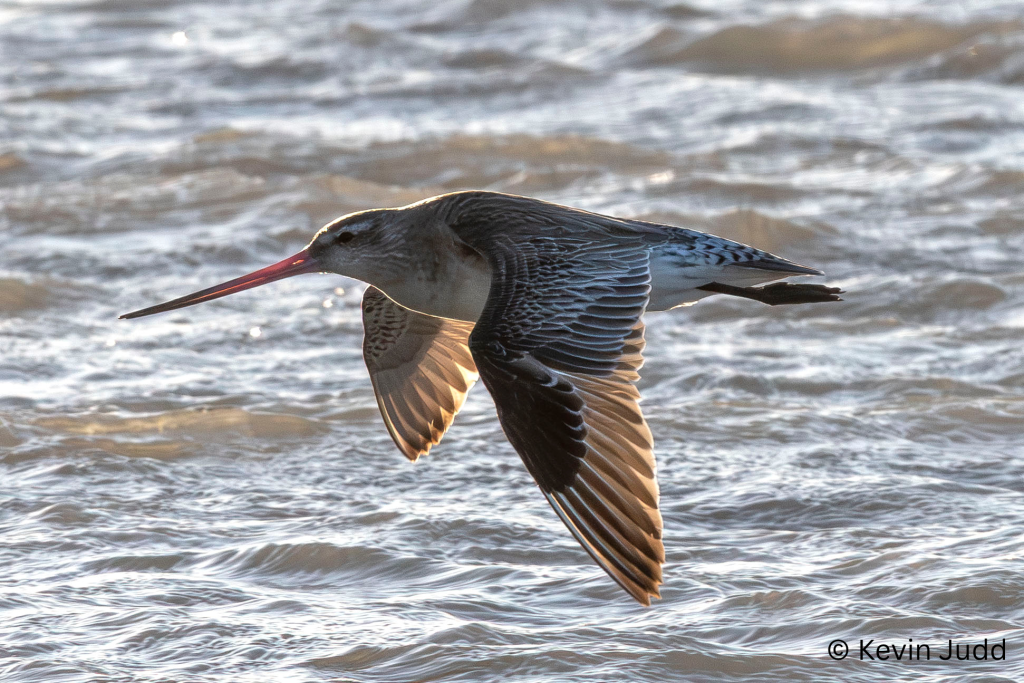
Birds
The East Coast supports a wide range of birdlife, with species changing as the seasons shift. This diversity reflects the importance of our coastal habitats, which provide food, shelter, and breeding grounds for birds throughout the year.
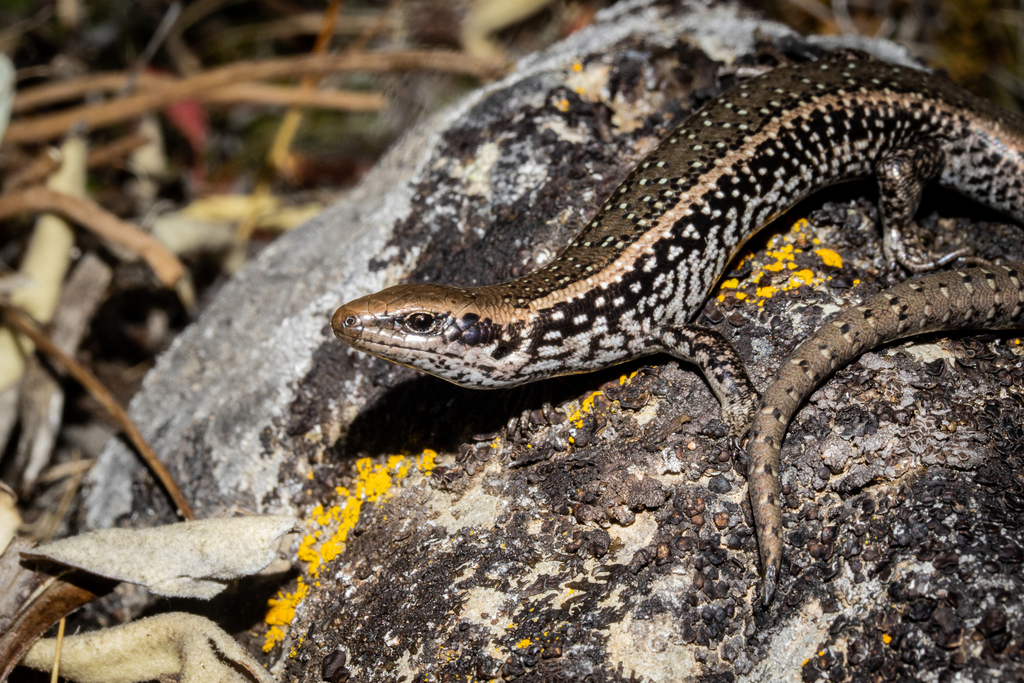
Lizards
Our local lizards are tough survivors, thriving in coastal scrub, grasslands, and rocky habitats along the East Coast. Protecting them means restoring habitat and controlling predators – helping ensure these special taonga continue to bask in our landscapes for generations to come.
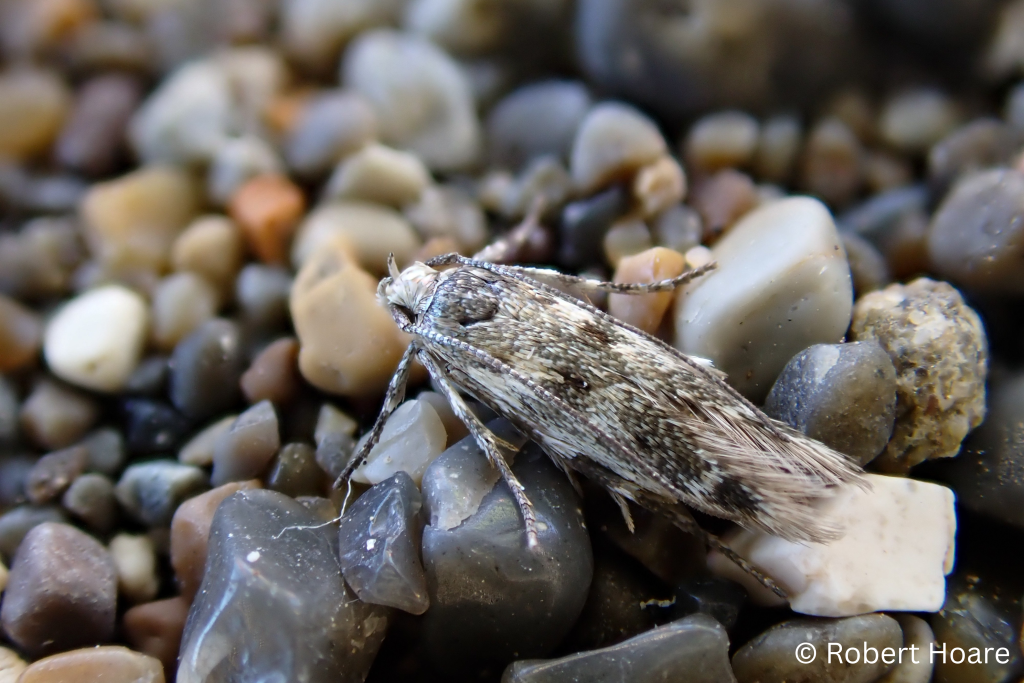
Invertebrates
The often forgotten wildlife, the Limestone Coast has a number of rare and threatened species of invertebrates. Like birds, invertebrates are impacted by habitat degradation and predation.
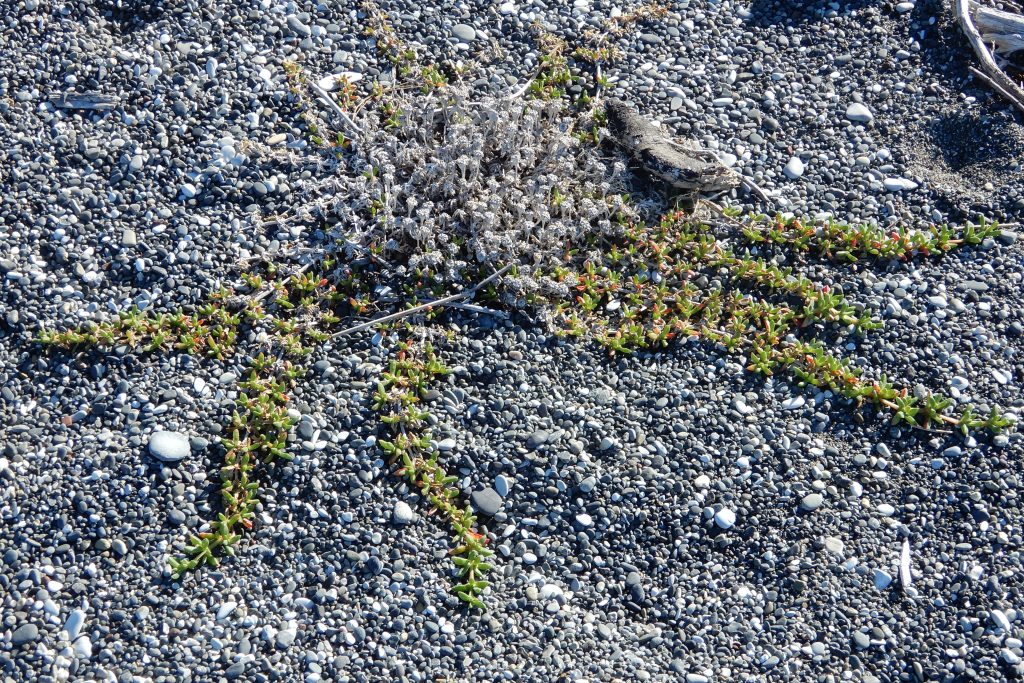
Plants
Battered by salt-laden winds, low rainfall, and intense sun, the native plants of the Coast are remarkably hardy. Yet despite their resilience, many struggle to compete with invasive weeds that threaten to take over their habitats.
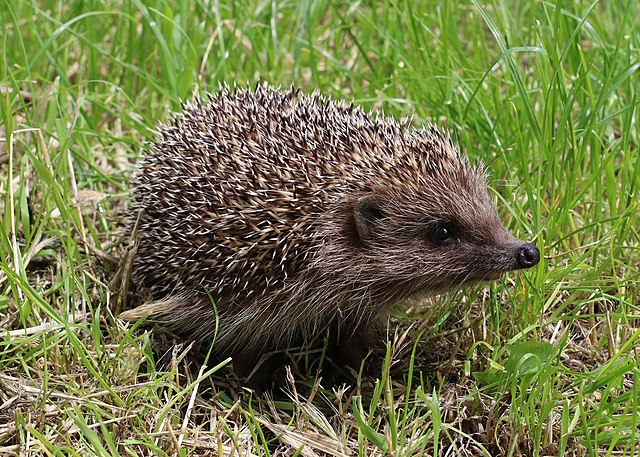
Predators
New Zealand’s beaches and riverbeds are home to some of our most vulnerable birds and reptiles, but introduced predators put them under constant pressure. From hedgehogs to feral cats, these hunters raid nests, kill chicks, and disturb fragile coastal ecosystems.
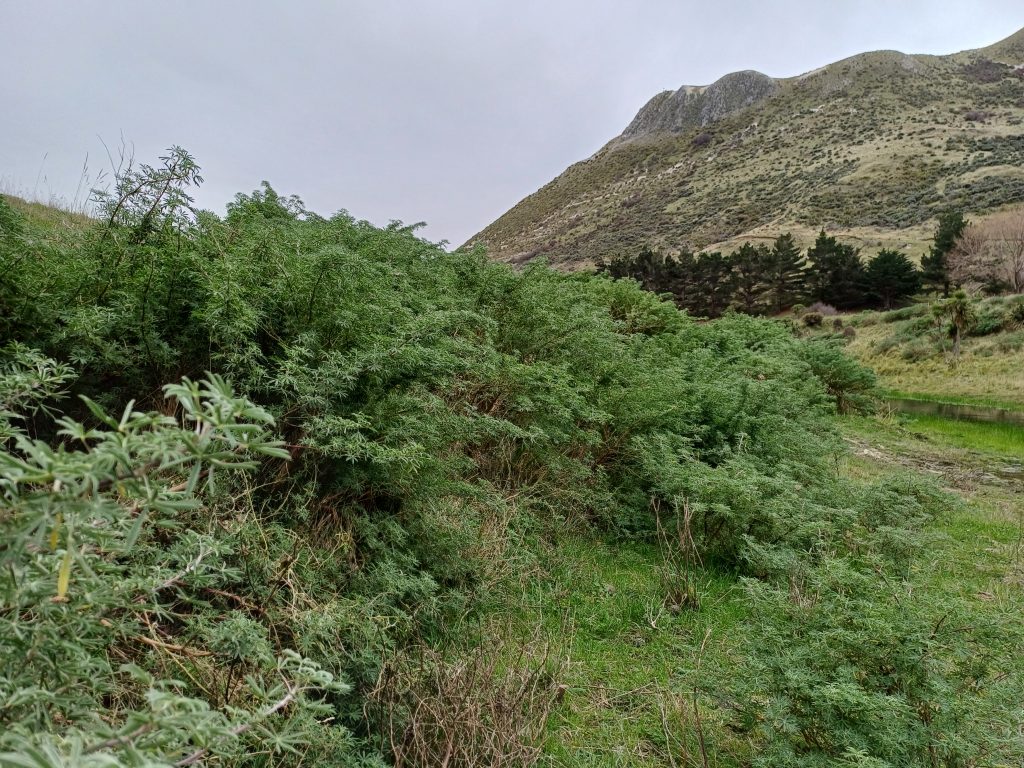
Weeds
Invasive weeds like wilding pine and marram grass pose a serious threat to our native ecosystems. These plants are highly adaptable, able to thrive in harsh coastal environments and outcompete native species for space, light, and nutrients.