Predation by hedgehogs and feral cats is one of the greatest threats to wildlife on the Limestone Coast, although the other species also have an impact. To combat this, the East Coast Protection Group maintains a 42 km trap line, using a range of trap types designed to target all predators.
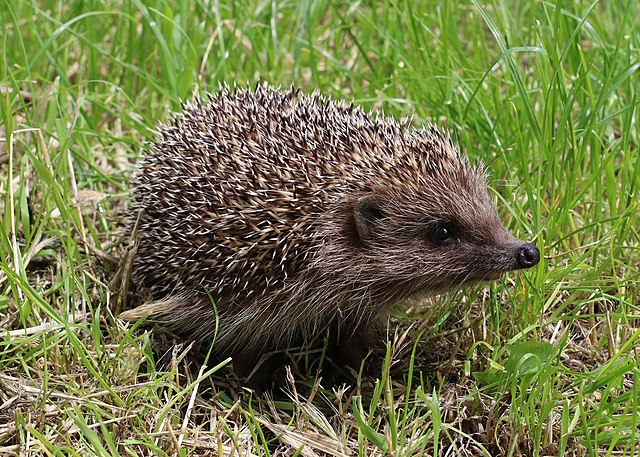
On New Zealand’s beaches and riverbeds, hedgehogs are far from harmless. At night, they raid the nests of dotterels, terns, and oystercatchers, eating eggs and tiny chicks. They also prey on native lizards and invertebrates that live among driftwood and dunes, making them a serious threat to wildlife.
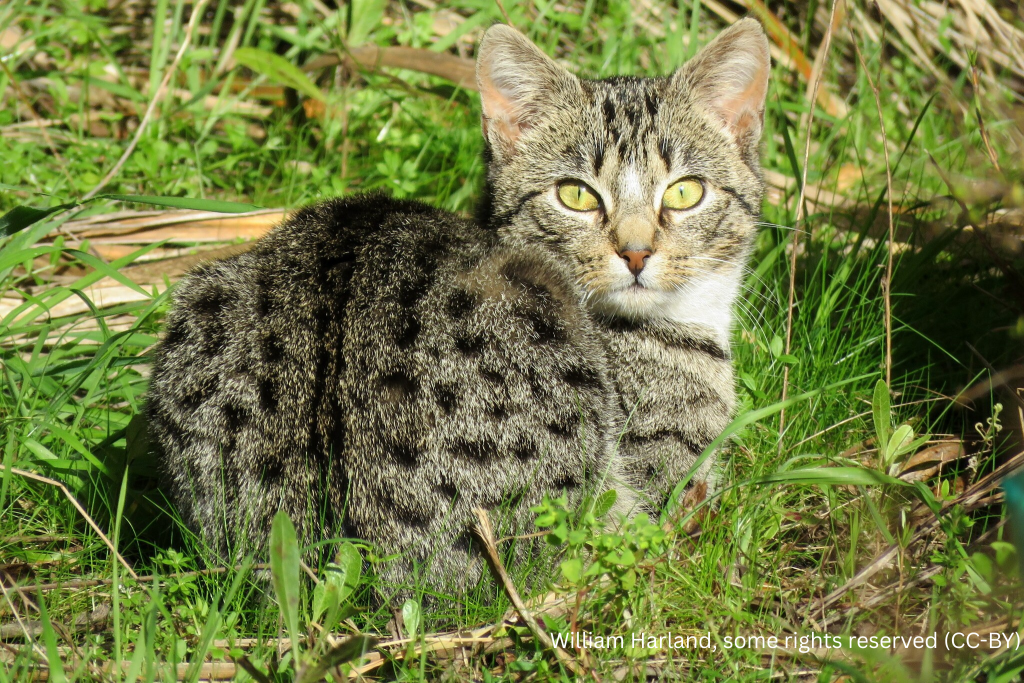
Feral cats are stealthy hunters that cause devastation in coastal environments. They are capable of killing adult shorebirds as well as chicks, and will stalk nesting colonies of terns, dotterels, and godwits. Because they roam long distances and hunt year-round, feral cats are one of the greatest dangers to beach-nesting birds.
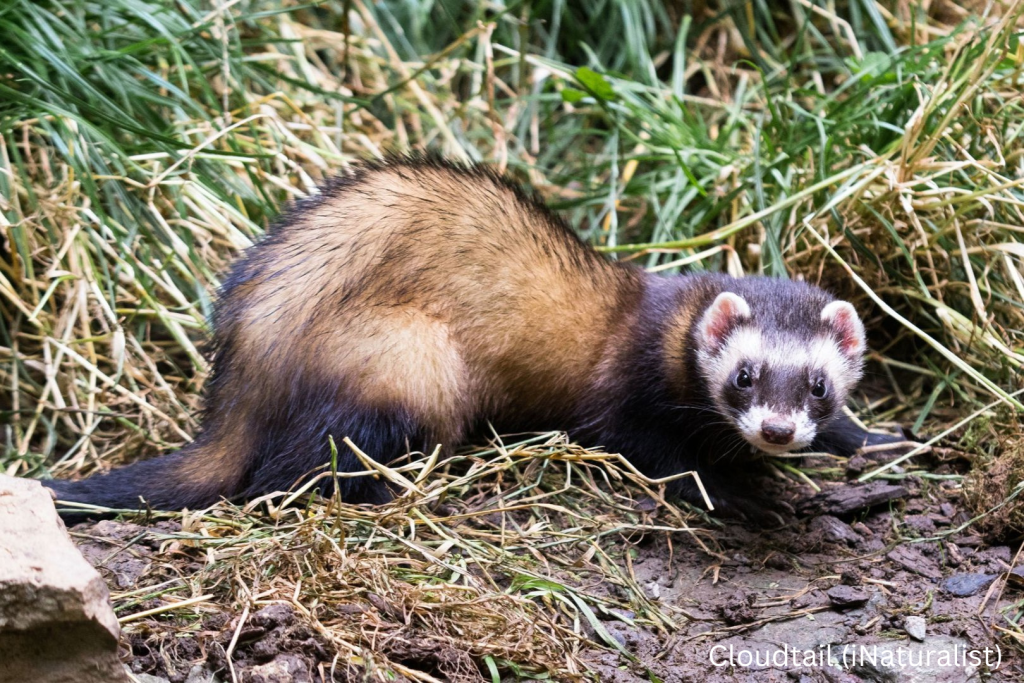
Ferrets, originally released to control rabbits, are powerful predators now well established in coastal areas. They attack nesting shorebirds, taking eggs, chicks, and sometimes even adults. Colonies of terns and dotterels are especially vulnerable, as ferrets can wipe out multiple nests in a single night.
Stoats are agile hunters that devastate ground-nesting birds along beaches and braided riverbeds. They take eggs, chicks, and sometimes adult birds, often killing more than they need. For species like the black-fronted tern or banded dotterel, a single stoat can wipe out an entire nesting site in a short time.
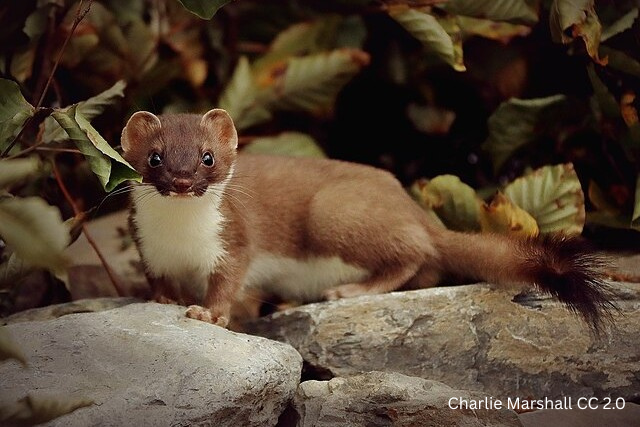
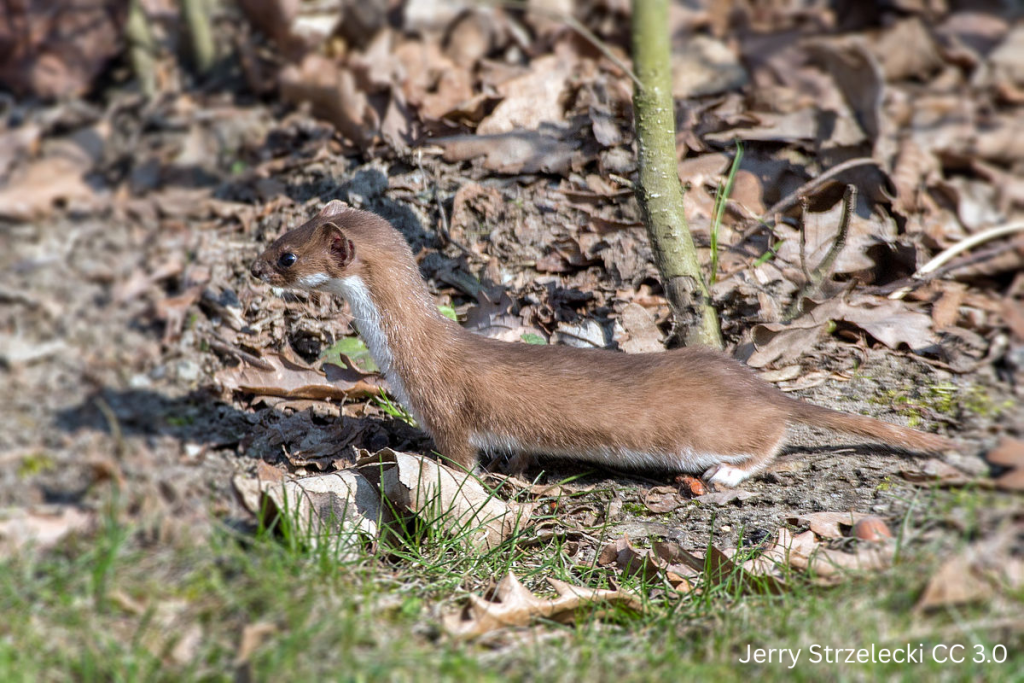
The smallest mustelid, weasels still pose a real danger along the coast. They hunt lizards and insects in dune systems and will also take eggs and chicks from ground-nesting birds. Even in small numbers, weasels add to the constant pressure faced by vulnerable coastal wildlife.
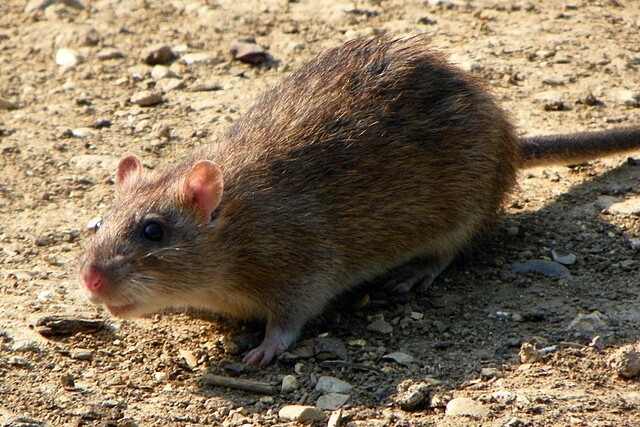
Two of three rat species in NZ are present on our Limestone Coast. Norway or brown (Rattus norvegicus, pictured), the largest of two European rats and the most common in New Zealand. These rats swim well.
Ship or common rat (Rattus rattus), the smaller of the two European rats, lives in all habitats and is especially agile so is worse in forest ecosystems.
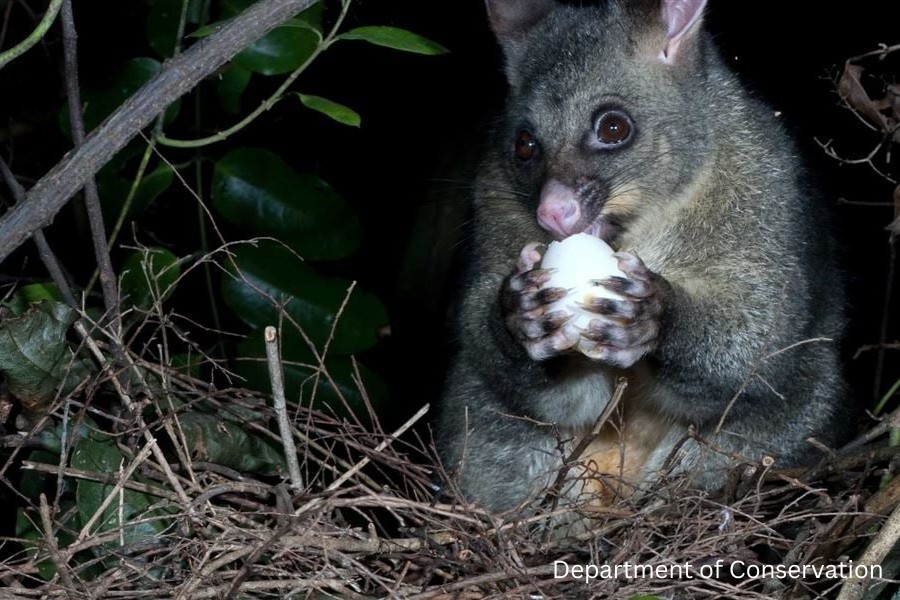
Though mostly known for damaging forests, possums also threaten coastal shrublands. Possums will also eat eggs and chicks if they come across them, adding extra pressure to already fragile bird populations.